
 By
By 
If you have ever tried to estimate the value of your car, you probably realized pretty quickly that it is not that simple. One person’s “excellent condition” is another person’s “needs work.” That is where professional car appraisers step in. They do not rely on gut feeling or random online estimates. There is a clear process behind it, even if it does not always feel obvious at first.
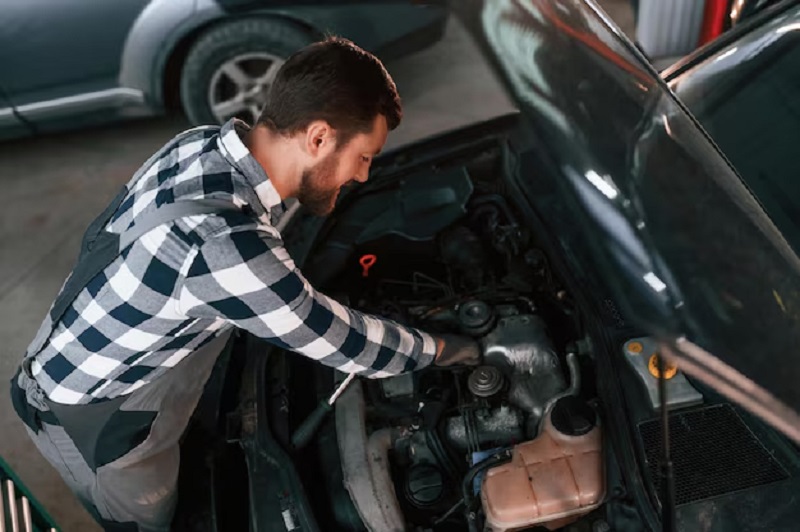
Let us try to break it down in such a way that it can actually be meaningful. It always starts with a hands-on inspection. The first thing an appraiser does is look at the vehicle closely. Not just a walk-around, but a real inspection.
They typically check:
- Exterior condition (scratches, dents, paintwork)
- Interior wear (seats, dashboard, electronics)
- Mileage and service history
- Signs of previous repairs or poor maintenance.
A well-maintained car usually shows it. And yes, small things add up. A cracked headlight or worn tires might feel minor, but they influence value more than people expect.
In accident cases, this step becomes even more detailed. An unfallgutachter Berlin [accident expert in Berlin] focuses heavily on identifying structural damage and hidden issues that are not visible at first glance.
Accident History Changes Everything
If your car has been in an accident, the value calculation shifts immediately. Even when repairs look perfect, the market does not always forgive past damage. This is where KFZ-Gutachten Berlin Kayed plays a critical role.
Their experts prepare professional damage reports that document:
- The extent of accident damage
- Repair costs and methods
- Any reduction in vehicle value after repairs.
An experienced unfallgutachten Berlin [it means accident expert in Berlin] ensures nothing is overlooked, especially when insurance companies are involved. That kind of documentation protects car owners from unfair settlements and vague estimates.
Market Data Does the Reality Check
After inspecting the car, appraisers compare it against real market data. This part surprises many people.

They look at:
- Current selling prices of similar vehicles
- Demand in the local and regional market
- Age and mileage comparisons.
What your car used to be worth does not really matter anymore. What matters is what buyers are paying right now. And that changes more often than people think.
Features, Upgrades, and the “Nice-to-Have” Factor
Extras can push the value up, but only if buyers care.
Things appraisers consider:
- Premium interiors or sound systems
- Advanced safety or tech packages
- Modifications (some help, some hurt).
Not every upgrade adds value. Some custom changes actually narrow the buyer pool, which can lower the final number. A bit counterintuitive, but true.
Putting It All Together
In the end, a car appraisal is a combination of:
- Condition and maintenance
- Accident and repair history
- Market demand
- Professional judgment.
It is not guesswork. It is a structured evaluation based on evidence. And when accidents are involved, working with a qualified unfallgutachter or accident expert Berlin ensures the value reflects reality, not optimism. That is how car appraisers find the true value. Not perfect. Not emotional. Just fair.





Comments